

How Medical Bills Are Paid After a Car Accident
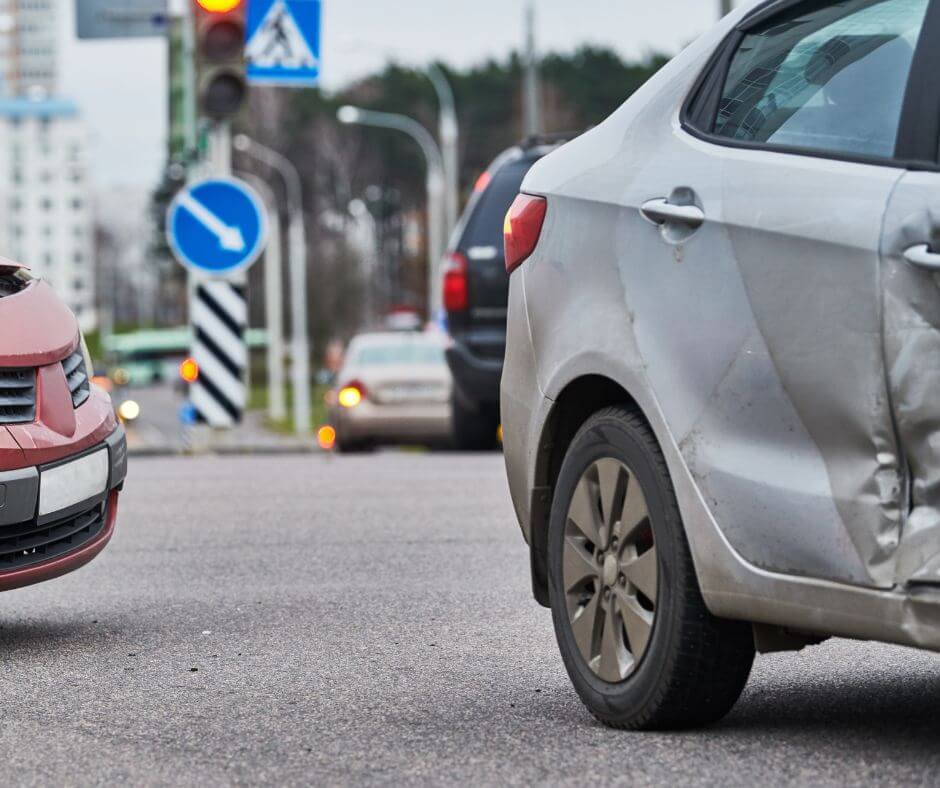
After a car accident, the medical bills don’t take long to start rolling in. Maybe you’ve already been to the ER or had X-rays, and now follow-up visits and therapy sessions are being scheduled. Each one comes with a price tag, and it doesn’t take long for the totals to feel overwhelming.
So, what happens next? Who’s responsible for paying these bills? Is it your insurance? The other driver’s insurance? And what happens while everything gets sorted out? California’s system for handling medical bills after a car accident can feel like a game of hot potato, and the answers often depend on who caused the accident, what kind of insurance coverage is in place, and the laws that apply to your situation.
At Gonzalez & Jones, APC, we’ve spent decades helping people like you figure this out. Let’s walk through how medical bills are paid after a car accident in California and what you can do to stay ahead of the financial side of things while you recover.
To get more information and arrange a free consultation, give us a call at (408) 848-2208 or contact us online.
Who Pays the Medical Bills in a Car Accident?
Determining who pays the medical bills in a car accident starts with understanding who is at fault. California is an at-fault state, meaning the driver responsible for the accident is also financially responsible for the medical expenses. However, this doesn’t mean their insurance company will immediately cover your bills as they come in.
Typically, the at-fault driver’s insurance reimburses you for your expenses after the case is resolved, whether through a settlement or court decision. In the meantime, this delay often leaves accident victims figuring out how to keep up with medical expenses until reimbursement happens.
Say, for instance, another driver runs a red light and hits your car, leaving you with a broken leg. You might need emergency treatment, surgery, and months of physical therapy. While their insurance is responsible for covering these costs, you’ll need a way to pay the bills until their insurance releases the funds.
Overwhelmed by medical bills after a car accident? You're not alone. Gonzalez & Jones can help you understand who pays and what’s next.
Will Health Insurance Cover a Car Accident?
Health insurance is often the first place people turn after a car accident. The good news is that most health insurance plans will cover treatment for car accident injuries, allowing you to handle immediate expenses like ER visits, diagnostic tests, and therapy sessions.
However, there’s an important caveat: health insurance providers often require reimbursement if you receive compensation from the at-fault driver’s insurance. This process, called subrogation, allows insurers to recover what they paid on your behalf. For instance, if your health insurance pays $12,000 for surgeries and therapy, and you later receive a $40,000 settlement, your insurance provider may request reimbursement for the $12,000 they covered.
This arrangement might sound complicated, but it ensures that the party responsible ultimately pays for the costs of the accident. While it may feel like an added layer of paperwork, health insurance can still give you peace of mind, knowing that your immediate medical needs are being handled.
Does Health Insurance Cover Every Situation?
Does health insurance cover car accidents in every scenario? While it typically does, there are situations where coverage might be limited. Some plans have exclusions for car accident-related treatment, while others might have high deductibles or co-pays that leave you with out-of-pocket expenses. It is, therefore, essential to understand your policy and what it covers before relying solely on health insurance.
Will the Insurance Company Send Me a Check?
Many accident victims ask: Will the insurance company send me a check for my medical bills?
The answer depends on the type of insurance coverage:
- MedPay or Personal Injury Protection (PIP). If you carry MedPay or PIP coverage, these policies may pay your medical bills upfront, regardless of fault.
- Liability insurance. The at-fault driver’s insurance is unlikely to send a check for your bills immediately. Instead, they reimburse expenses once a settlement is reached or a court judgment is issued.
- Health insurance. Your health insurance usually pays your providers directly, but as mentioned earlier, they may seek repayment from your settlement later.
For example, let’s say you have $5,000 in MedPay coverage. After the accident, this can cover your medical bills up to that amount while you wait for the liability claim to be resolved.
What Happens If Medical Bills Exceed Policy Limits?
Sometimes, the at-fault driver’s liability coverage isn’t enough to cover all your medical bills. Let’s say their insurance policy covers up to $15,000, but your bills total $40,000.
Where can you turn?
- Underinsured Motorist Coverage (UIM). If included in your policy, this type of coverage bridges the gap when the at-fault driver’s insurance falls short.
- Health Insurance. Though subrogation rules may apply, your health insurance can cover the remaining expenses.
- Out-of-Pocket Payments. In some cases, you may need to pay the remaining balance yourself.
Reviewing your coverage before an accident can make a big difference in handling these situations. MedPay and UIM policies provide an added layer of protection against unexpected expenses.
Do I Have to Pay Medical Bills Out of My Settlement?
If you’re expecting a settlement, you might ask: Do I have to pay medical bills out of my settlement in California? The short answer is yes.
When medical providers or health insurers pay for your treatment after a car accident, they often have a right to recover those costs from the compensation you receive.
This is common in cases involving:
- Medical liens. Some doctors treat accident victims on a lien basis, meaning they’ll wait to be paid until the settlement comes through.
- Health insurance payments. If your insurer covered your bills, they may expect reimbursement.
- Out-of-pocket expenses. Any amounts you pay upfront can be reimbursed from your settlement.
An experienced attorney can help negotiate with providers and insurance companies to reduce the amounts owed, ensuring you keep as much of your settlement as possible.
How Gonzalez & Jones, APC Can Help You After a Car Accident
At Gonzalez & Jones, APC, we know how stressful it can be to juggle medical bills while recovering from an accident. For over 45 years, we’ve helped clients in San Benito County and the Central Coast figure out how to handle their bills, recover compensation, and avoid financial pitfalls.
Our team works directly with you, negotiating with insurance companies and ensuring we account for every expense. If you’ve been injured in a car accident and have questions about your medical bills, call (408) 848-2208 or contact us online for a free consultation.

Copyright © 2025 Gonzalez & Jones Law

Disclaimer: This website is for informational purposes only and constitutes an attorney advertisement. The content on this site is not intended to provide legal advice or create an attorney-client relationship. Viewing or interacting with this website does not establish such a relationship between you and our firm. Do not send confidential or sensitive information through this website or its contact forms. Communications through the website are not secure and may not be protected under attorney-client privilege. If you require legal advice or representation, please contact our office directly to arrange a consultation. The information provided on this site is general in nature and may not apply to your specific situation. You should consult an attorney for advice tailored to your circumstances. Past outcomes or case results referenced on this site do not guarantee future results. Every legal matter is unique, and results depend on the specific facts and applicable law. Jurisdictional Limitation: Our firm is licensed to practice law in California. This website is not intended to solicit clients outside of this jurisdiction. Copyright Notice: All content on this site is copyrighted and may not be reproduced without permission.