

7 Most Common Types of Rear-End Collision Injuries
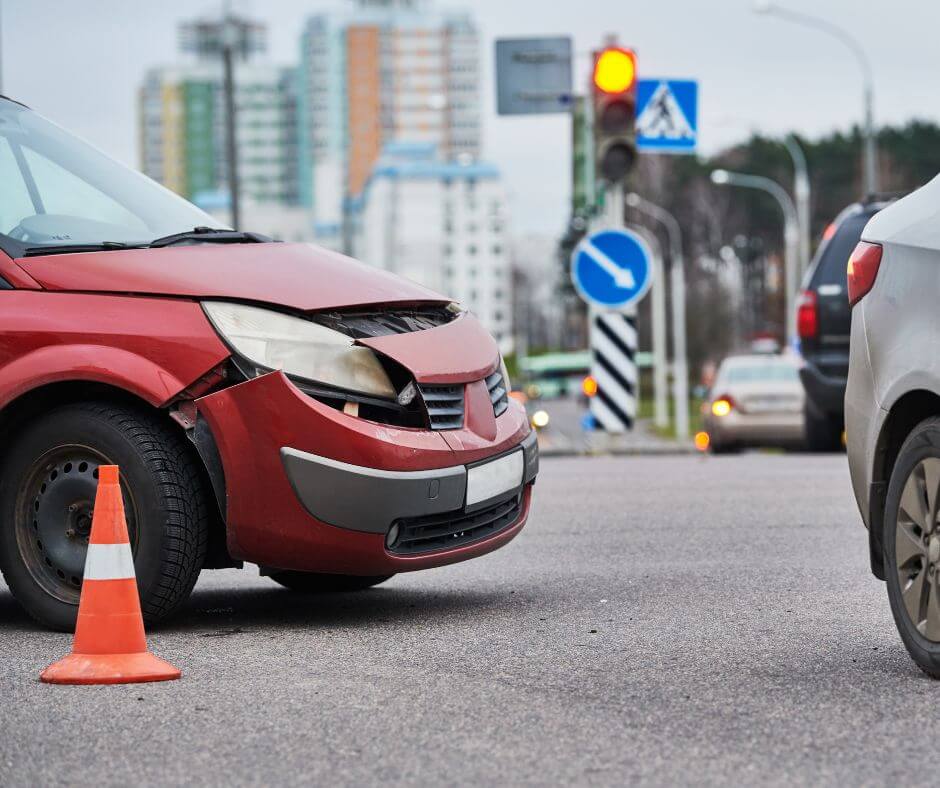
You didn’t see it coming—the sudden jolt from behind that threw you forward. Rear-end collisions can leave a lasting mark—not just on your car but also on your body.
What feels like minor soreness in the hours after an accident can quickly become a painful reminder that your body absorbed the impact, too.
At Gonzalez & Jones, APC, we know rear-end collision injuries go beyond physical pain. They can change the way you live your life.
Let’s look at seven of the most common injuries caused by rear-end accidents and how they can affect you.
Also, to learn more and schedule a complimentary consultation with our Hollister, California car accident lawyers, please call (408) 848-2208 or contact us online today.
Common Rear-End Injuries from a Car Accident
Whiplash
Whiplash might be the first thing that comes to mind when you think of rear-end injuries—and for good reason. The sudden snap of your neck from the impact can stretch or tear muscles and ligaments, leaving you with stiffness, pain, and headaches that can linger for weeks.
But whiplash isn’t just a sore neck. It can affect your ability to focus, work, or even sleep. If untreated, it can lead to chronic issues. That’s why it’s so important to take symptoms seriously and seek medical evaluation.
Back Strains
The force of a rear-end collision can pull muscles in your lower back beyond their limits, causing painful strains. It might start as a dull ache that you think will pass, but bending over to tie your shoes or sitting for long periods can become a challenge.
Back strains often require rest, physical therapy, and sometimes pain management to recover fully. Although the discomfort might feel manageable initially, ignoring it could lead to prolonged recovery time.
Back Sprains
Unlike strains that involve muscles, back sprains occur when ligaments—the tissue connecting bones—are overstretched or torn. These types of injuries from a rear-end collision can limit mobility, making simple tasks like getting in and out of a car feel exhausting.
Sprains often come with swelling and tenderness that worsens if left untreated. Early diagnosis and treatment are key to preventing longer-term issues.
Slipped or Herniated Discs
The jolt of a rear-end collision can push the soft cushioning between your vertebrae, known as discs, out of place. The result? Pain that radiates down your arms or legs, along with numbness or tingling.
This type of injury from a rear-end collision doesn’t just affect your back; it can impact your ability to sit, walk, or lift anything heavier than a shopping bag. Treatments range from physical therapy to, in severe cases, surgery.
Spinal Stenosis
If you already have minor narrowing in your spine, a rear-end collision can make it worse. Spinal stenosis occurs when spaces in your spine tighten, putting pressure on the nerves.
Symptoms can include pain, numbness, or weakness in your legs. While some people manage stenosis with therapy, others may require surgical intervention, especially when the condition affects mobility.
Spinal Fractures
A spinal fracture is one of the most serious rear-end accident injuries you can sustain. The force of the impact can crack or break the vertebrae, leading to sharp pain, limited movement, and potential nerve damage.
This injury often requires bracing or even surgery to stabilize the spine. Recovery can be long, but getting the proper treatment before the condition worsens makes a massive difference in how you heal.
Shoulder Injuries
It’s not just your neck and back that takes the hit. Shoulder injuries are common in rear-end collisions due to the way seatbelts hold your body in place during impact. The sudden pull can strain or tear the tendons and muscles in your shoulder, making lifting, reaching, or even driving painful.
These injuries might seem minor compared to others, but they can interfere with basic daily tasks and require medical attention to heal properly.
Symptoms of Rear-End Accident Injuries
It’s easy to assume a few aches after a rear-end accident aren’t worth worrying about. However, some symptoms can signal more serious injuries that might not appear immediately.
Here are a few signs to keep in mind:
- Neck stiffness or pain that doesn’t improve,
- Tingling or numbness in your arms or legs,
- Back pain that worsens with movement, or
- Difficulty lifting your arms or rotating your shoulders.
Seeing a doctor after an accident is about more than just treatment—it helps establish a record of your injuries. Medical documentation connects the collision to your condition, which can be critical if you pursue a legal claim. This record shows how the accident affected your health and provides valuable support for your case.
How a Lawyer Can Help After an Injury from a Rear-End Collision
Medical bills piling up, missed time at work, endless calls with insurance adjusters—it’s enough to wear anyone down after a rear-end collision. And while you’re just trying to recover, it can feel like the system is set up to make things harder.
California law allows you to seek compensation even if you share some responsibility for the accident. For example, if you’re 15% at fault and your damages total $40,000, you can still recover $34,000. Insurance companies often try to reduce payouts by shifting blame, but we know how to push back.
For over 45 years, Gonzalez & Jones, APC has helped California’s Central Coast get through the ripple effects of accidents like these. We aren’t a firm where you get shuffled between departments or feel like a number. Attorneys Milton Gonzalez and Zoi Jones work directly with you to ensure the full scope of your injuries, missed income, and other losses are accounted for.
Whether you’re dealing with a sore neck that just won’t go away, long-term back issues, or the financial stress of being out of work, we’re here to ensure you aren’t left covering bills you shouldn’t have to pay. We know the games insurance companies play, and we don’t let them take advantage of you. From gathering detailed medical records to negotiating with adjusters and, if necessary, heading to court, we’re ready to fight for what’s right.
Call Gonzalez & Jones, APC Today
If you’re suffering from rear-end collision injuries, you’ve got enough to deal with. Let Gonzalez & Jones, APC, help you get back on the road to recovery. Your first consultation is free; our team is ready to answer your questions.
Call (408) 848-2208 or contact us online to see how we can help with your case.

Copyright © 2025 Gonzalez & Jones Law

Disclaimer: This website is for informational purposes only and constitutes an attorney advertisement. The content on this site is not intended to provide legal advice or create an attorney-client relationship. Viewing or interacting with this website does not establish such a relationship between you and our firm. Do not send confidential or sensitive information through this website or its contact forms. Communications through the website are not secure and may not be protected under attorney-client privilege. If you require legal advice or representation, please contact our office directly to arrange a consultation. The information provided on this site is general in nature and may not apply to your specific situation. You should consult an attorney for advice tailored to your circumstances. Past outcomes or case results referenced on this site do not guarantee future results. Every legal matter is unique, and results depend on the specific facts and applicable law. Jurisdictional Limitation: Our firm is licensed to practice law in California. This website is not intended to solicit clients outside of this jurisdiction. Copyright Notice: All content on this site is copyrighted and may not be reproduced without permission.