

Top 5 Signs You Should Go to the Hospital After an Accident
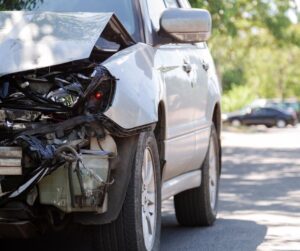 If you are wondering when to go to the hospital after a car accident, know this: Some of the most serious signs you should go to the hospital after a car accident do not announce themselves clearly at the scene. So, what do you do after a crash if you feel okay? Should you go? In many cases, the answer is yes, or at least stay alert for developing symptoms.
Certain warning signs after a car accident may point to injuries that can worsen without treatment, including internal bleeding, head trauma, or soft tissue damage that develops quietly beneath the surface. That uncertainty carries real consequences. Waiting too long can affect both your recovery and your ability to show what the crash caused.
At Gonzalez & Jones, APC, our California auto accident lawyers step in early to help clients align medical care with a clear legal strategy. With more than 45 years as a family-run firm, we act quickly to protect your health, preserve documentation, and make sure early decisions do not create avoidable problems later.
Give us a call at (408) 848-2208 or reach out online today for a free consultation.
Should I Go to the Hospital After a Car Accident?
You should seek medical evaluation if you are at all uncertain about your condition. Some injuries do not show immediate symptoms and can worsen without treatment, and early evaluation allows doctors to identify hidden issues like internal bleeding or head trauma before they escalate. Prompt care also creates a clear medical record, which can be critical if symptoms worsen later.
Should I Still Go to the Hospital After a Minor Car Accident?
You should still consider going to the hospital after a minor accident because the crash’s severity does not always match the injury’s severity. Low-speed impacts can still cause concussions, soft tissue damage, or spinal strain that may not appear right away. Getting checked early helps rule out complications and gives you a baseline if new symptoms emerge in the hours or days that follow.
What Are the Top 5 Signs You Should Go to the Hospital After a Car Accident?
The most important signs you should go to the hospital after a car accident tend to fall into a pattern: injuries that either escalate quickly or remain hidden long enough to cause damage before you notice. Knowing the difference between discomfort and something more serious can shape both your recovery and your next steps.
1. Warning Signs After a Car Accident Include Headaches or Pressure
A persistent or worsening headache can point to a concussion, traumatic brain injury, or internal bleeding. Pressure behind the eyes, sensitivity to light, or confusion layered on top of that pain further raises the risk. When these warning signs appear after a car accident, immediate evaluation can rule out conditions that may worsen without treatment.
2. Neck or Back Pain Should Prompt You to Visit a Hospital After a Car Accident
Neck or back pain may start as stiffness and evolve into something far more limiting. Whiplash, spinal strain, or disc injury often develops gradually rather than suddenly. If movement becomes restricted, pain spreads, or numbness begins to radiate, going to a hospital is the safer choice to prevent long-term complications.
3. Abdominal Pain or Bruising Are Dangerous Symptoms After a Car Accident
Pain or bruising in the abdomen can indicate internal bleeding or organ damage. Abdominal pain or bruising may also be accompanied by swelling, deep tenderness, or dizziness. Because internal injuries do not always show immediate external signs, medical imaging is often the only way to confirm what is happening beneath the surface.
4. Dizziness or Vision Changes Signal When to Go to the Hospital After a Car Accident
Dizziness, blurred vision, or difficulty focusing can point to neurological disruption or head trauma. These symptoms after a car accident can appear subtle at first. Over time, they may interfere with balance, coordination, or basic cognitive function. When vision shifts or equilibrium feels off, visiting a hospital allows providers to evaluate potential brain injury before it worsens.
5. Delayed Pain Is a Warning Sign After a Car Accident
Delayed pain often creates the most confusion. People leave the scene believing they escaped injury, only to later develop stiffness, soreness, or fatigue. That delay happens because adrenaline masks early symptoms. Delayed symptoms after a car accident still require attention, especially when pain intensifies, spreads, or interferes with normal movement.
FAQs
How Long After a Car Accident Do You Have to Go to the Hospital?
There is no strict cutoff, but as a rule, you should seek hospital treatment as soon as possible after a car accident to protect both your health and to build medical documentation.
Which Symptoms After a Car Accident Do People Most Often Miss?
The most overlooked symptoms after a car accident include fatigue, mild confusion, delayed soreness, and subtle cognitive changes. These may seem minor at first, but they can point to deeper injuries that require medical attention.
Can You Still Go to the Hospital Days After an Accident?
Yes. You can seek medical care days later, and you should if new symptoms appear or existing discomfort worsens.
What If You Avoid Medical Care After an Accident and Feel Worse Later?
You can still get treatment, but waiting can make both recovery and your claim harder to support. As symptoms worsen, gaps in care may raise questions about the cause of the injury and lead to poorer outcomes.
Ready to Take the Next Step After an Accident? Contact Gonzalez & Jones, APC
At Gonzalez & Jones, APC, attorneys Milton F. Gonzalez and Zoi Jones help clients take control of what comes next after an accident. With more than 45 years as a family-run firm, our team combines hands-on legal strategy with a deep commitment to the people we represent.
We approach every case with the same mindset: your voice matters, your recovery matters, and your case deserves focused attention from the start. Contact us online or call (408) 848-2208 today to schedule a free case review and start building your path forward.
Official Legal and Other Sources Used to Inform This Page
To ensure the accuracy and clarity of this page, we referenced official legal and other sources during the content development process:

Copyright © 2025 Gonzalez & Jones Law

Disclaimer: This website is for informational purposes only and constitutes an attorney advertisement. The content on this site is not intended to provide legal advice or create an attorney-client relationship. Viewing or interacting with this website does not establish such a relationship between you and our firm. Do not send confidential or sensitive information through this website or its contact forms. Communications through the website are not secure and may not be protected under attorney-client privilege. If you require legal advice or representation, please contact our office directly to arrange a consultation. The information provided on this site is general in nature and may not apply to your specific situation. You should consult an attorney for advice tailored to your circumstances. Past outcomes or case results referenced on this site do not guarantee future results. Every legal matter is unique, and results depend on the specific facts and applicable law. Jurisdictional Limitation: Our firm is licensed to practice law in California. This website is not intended to solicit clients outside of this jurisdiction. Copyright Notice: All content on this site is copyrighted and may not be reproduced without permission.